
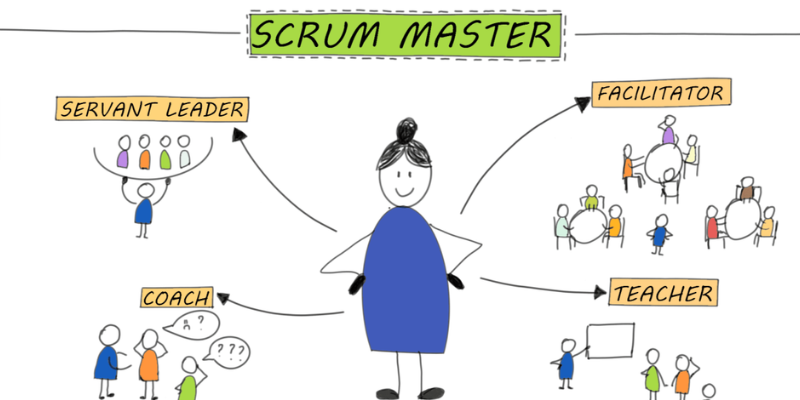
The Scrum Master has a special and potent position in Agile contexts that combines empowerment with advice, influence with empathy, and leadership with humility. The foundation of this position is servant leadership, which determines how a Scrum Master supports and develops the team. A servant leader focuses on empowering others to reach their full potential rather than managing or leading. Servant leadership becomes the secret ingredient that keeps people motivated and in sync in a world where teams need to cooperate effectively, change rapidly, and constantly provide value.
Scrum Masters may foster continuous progress, eliminate obstacles, and establish trust by adopting this mentality. Additionally, it fosters an environment where people feel free to experiment, learn, and develop. In order to become a more influential Scrum Master who empowers, mentors, and inspires others, this article examines how to embrace and put servant leadership ideas into practice. FITA Academy empowers Agile practitioners to align contemporary Scrum practices with today’s fast-changing, collaborative, and digital-first delivery environments.
Understanding Servant Leadership
A notion known as “servant leadership” completely upends conventional leadership frameworks. Servant leaders put their team’s needs first and put service before authority. This is a fantastic fit with the Agile mindset, which emphasizes shared ownership, self-organization, and teamwork. In Scrum, the Scrum Master serves as a coach, facilitator, and framework defender rather than a manager.
Scrum Masters may create an atmosphere where people feel valued and empowered by using servant leadership to lead teams without micromanaging. Additionally, this strategy fosters psychological safety, increases trust, and motivates team members to take initiative. The team becomes more self-assured in decision-making, more dedicated to their objectives, and more proactive in finding ways to improve when a Scrum Master constantly demonstrates servant leadership. To properly embody this leadership style, one must first comprehend its underlying concepts.
Empowerment in the Scrum Team
The capacity to foster a secure, cooperative atmosphere where team members feel appreciated and heard is essential to servant leadership. It is your responsibility as a Scrum Master to foster trust by being personable, encouraging, and open. This entails promoting candid communication, recognizing team issues, and guaranteeing that each voice is heard throughout conversations. Giving people the autonomy to make choices and the self-assurance to take responsibility for their work leads to empowerment. Scrum Master Certification in Chennai, providing hands-on, industry-relevant coaching in Agile practices, team facilitation, servant leadership, sprint planning, and continuous improvement techniques to help you thrive in modern product development environments.
Modeling the behaviors you expect, such as active listening, deliberate questioning, and helping others toward answers rather than dictating them, is one method to promote collaboration. The team will inevitably become more involved when they perceive true respect and support. Collaboration becomes effortless as this trust grows over time. By putting the needs of the team at the core of your leadership style, you foster an environment where individuals are inspired to produce their best work.
Practicing Servant Leadership
The daily tasks of a Scrum Master provide several chances to exhibit servant leadership. One of them is facilitation, which aids teams in carrying out successful Scrum events that lead to clarity, alignment, and ongoing development. Your objective as a facilitator is to steer the discussion such that everyone’s opinions are respected rather than to control it. Another essential component of servant leadership is coaching. This entails fostering self-organization, enhancing teamwork, and assisting people in developing their problem-solving abilities.
A Scrum Master helps the team find solutions on their own by posing guiding questions rather than providing answers. One of the most useful approaches to support the team is to remove obstacles. Your ability to overcome challenges demonstrates to the team your dedication to facilitating their achievement, whether it be by resolving cross-team interdependence, managing workflow bottlenecks, or removing organizational barriers. In regular Scrum work, these techniques make servant leadership evident and useful.
Improving Communication and Active Listening
The core of servant leadership is communication, and as a Scrum Master, your capacity for attentive listening, empathy, and deliberate response may have a big impact on team output. Understanding team dynamics, identifying difficulties, and reacting in a supportive rather than judgmental manner are all made possible by emotional intelligence. Asking clarifying questions, paying close attention throughout conversations, and confirming the speaker’s viewpoint before suggesting answers are all examples of active listening. A Scrum Master Placement Program at a B School in Chennai can significantly boost your career readiness and employability by strengthening your Agile mindset, team facilitation skills, servant leadership capabilities, and practical Scrum framework expertise.
It also entails being aware of nonverbal clues and how your answers affect team morale. Developing these abilities strengthens relationships and fosters an atmosphere where people are at ease discussing difficulties or worries. Setting clear expectations, offering helpful criticism, and promoting candid communication among team members are all components of effective communication. You may become a more sympathetic leader who fosters positive relationships and constructive teamwork by improving your communication and emotional intelligence.
Guiding Teams Toward Self-Organization
The capacity of servant leadership to encourage self-organization is one of its most potent features. When given the freedom to decide for themselves and the responsibility to oversee their own workflow, Scrum teams flourish. It is your responsibility as a Scrum Master to gently steer the team in that direction without prescribing how they should operate. This entails motivating team members to take charge of sprint planning, work together to distribute tasks, and use retrospectives to assess their success.
Encourage curiosity and experimentation to teach the team how to inspect and adjust. When people feel comfortable challenging current procedures and offering alternatives, continuous improvement becomes ingrained in the culture. A servant leader dispels fear, promotes education, and honors development. Encouraging self-organization makes the team more resilient, self-assured, and able to produce excellent results without continual supervision.
Applying Servant Leadership During Daily Interactions
Because Scrum ceremonies incorporate organized cooperation, introspection, and decision-making, they provide perfect opportunities to exercise servant leadership. Assist the team during sprint planning by making sure the product goal, priorities, and scope are clear. Then, let them choose the best course of action. Instead of directing the discussion during daily scrums, assist the team in maintaining focus and identifying obstacles without pushing fixes.
Sprint reviews are chances to highlight value provided, get input, and encourage openness. Servant leadership is most evident during the retrospective. Outside of formal events, practice servant leadership by keeping in touch with team members, mediating disputes, and providing support on a daily basis. These regular exchanges strengthen your influence as a helpful, customer-focused leader and foster trust. People who are intersted in this job should know about how to become a certified scrum master.
Balancing Influence and Autonomy
For Scrum Masters, striking a balance between team liberty and company requirements is a typical difficulty. Being quiet or avoiding difficult conversations are not characteristics of servant leadership. Rather, it entails knowing when to lead the group and when to take a back seat. Assist the team in understanding company priorities and strategic goals without prescribing how they should be accomplished in order to maintain alignment. when issues like conflicting priorities, impractical timelines, or interdependencies between teams come up.
Serve as a mediator who works with stakeholders to find practical solutions while standing up for the team. While preventing needless interruptions, make sure the team’s efforts have a significant impact on company results. The key to striking a balance is to be supportive without being intrusive and influence without being dominating. The team and the organization are able to flourish because of this balance.
Who Inspires and Empowers
As a Scrum Master, embracing servant leadership is more than just adhering to a set of procedures; it also entails developing a mentality that centers your leadership style around people, development, and teamwork. Focusing on helping the team organically promotes empowerment, trust, and ongoing development. You make people feel more competent, self-assured, and involved in their work. This strategy eventually fosters a high-achieving team culture where creativity flourishes and obstacles are viewed as chances to improve.
The Scrum Master is transformed from a facilitator to an enabler of success through servant leadership. Someone who softly leads but has a significant impact. You can become a leader who motivates others to reach their full potential by demonstrating empathy, reducing obstacles, encouraging self-organization, and supporting both individuals and corporate objectives. And that’s what really makes a great Scrum Master.